SSO ID Rajasthan Portal, SSO ID Registration and Login Guide, SSO ID Forget Password, Merge Multiple SSOIDs, and apply for various government services online.

The SSO ID Rajasthan is a powerful digital identity. It allows citizens to access many government services. You need just one login for everything. This system saves time and effort. No more remembering multiple passwords. The Rajasthan government launched this portal. It is called the Single Sign‑On system. You can find it at sso.rajasthan.gov.in. This guide will explain everything. We will cover registration, login, and services. You will learn step by step. Let us begin this journey together.

SSO Rajasthan stands for Single Sign‑On Rajasthan. It is a centralized gateway for state services. Think of it as a master key for digital governance. You register once with your mobile number or email. Then you can access 500+ services. These include certificatesschemes, and forms. The system uses two‑factor authentication for safety. Your data remains secure and private. This portal is free for all residents. Even non‑residents can use some features. The Government of Rajasthan updates it regularly.

Why do you need an SSO ID? Without it, you must visit separate websites. Each website asks for a new registration. That process is slow and frustrating. With SSO Rajasthan, you skip all that. One username and password work everywhere. You can apply for income certificates online. You can check land records instantly. You can pay electricity bills without hassle. Students use it for scholarship forms. Farmers use it for subsidy applications. The SSO ID connects you to Jan Aadhaare-Mitra, and Bhamashah. It is a game changer for rural areas too.

What Is SSO ID Rajasthan?

SSO ID Rajasthan is a digital identity platform. It is managed by DoIT&C (Department of Information Technology and Communication). The Government of Rajasthan launched it in 2018. The goal was one citizenone IDmany services. This system uses OAuth 2.0 technology. That means secure token‑based login. Your password is never shared with other websites. Instead, the SSO server confirms your identity. Then it gives temporary access to services. This method prevents hacking and phishing.

Every Rajasthan resident can create an SSO ID. You need a mobile number and Aadhaar (optional but helpful). The portal supports Hindi and English languages. Over 1 crore citizens already use it. More than 200 government departments are connected. These include EducationHealthRevenue, and Police. The SSO dashboard shows all available services. You can filter by department or category. There is also a mobile app called Rajasthan Sampark. The app works on Android and iOS. You can get OTP alerts and notifications.

The benefits of SSO are clear. First, you save time and energy. Second, you reduce paperwork. Third, you get real‑time updates on applications. Fourth, you avoid corrupt middlemen. Fifth, you can apply anytimeanywhere. Sixth, the system remembers your preferences. Seventh, you can link family members under one ID. For example, a mother can apply for her child’s scholarship. A business owner can file GST returns through SSO. The future plans include AI chatbots and voice commands. So learning SSO Rajasthan is a smart move.

Let us clarify a common confusion. SSO ID is not the same as Jan Aadhaar. Jan Aadhaar is a family‑based ID. It stores household data. SSO ID is a login credential. You can link your Jan Aadhaar number to SSO. Then you get pre‑filled forms. Similarly, Bhamashah cards can be linked. E‑Mitra kiosks also use SSO login. So think of SSO as the front door. Your other IDs are keys inside. This integration makes life easier. You do not need to upload documents repeatedly.

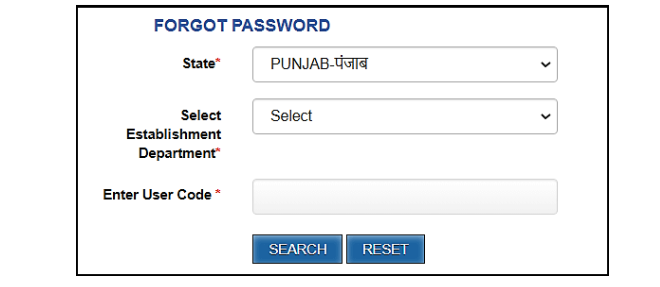
The technical side is simple. SSO uses HTTPS encryption. That padlock symbol in your browser means safety. The servers are in Jaipur data centers. Regular security audits happen every month. If you forget your password, you can reset it. Just click “Forgot Password”. An OTP goes to your mobile. Enter the OTP and set a new password. The process takes two minutes. For high‑security services like land registry, you need biometric verification. That may require a fingerprint scanner. But for 90% of services, mobile OTP is enough.

Now, who should read this guide? Students need SSO for scholarships. Job seekers use it for recruitment formsFarmers apply for seed subsidiesWomen check pension statusSenior citizens get health cardsBusiness owners file taxesTeachers download transfer ordersPolice file online complaints. Honestly, everyone in Rajasthan should have an SSO ID. Even NRIs from Rajasthan can register. They need an Indian mobile number though. You can ask a relative to help. The portal is accessible worldwide. Just visit sso.rajasthan.gov.in from any browser.

What You Need Before Registration

  • Keep a working mobile number ready.
    • The number must be active in Rajasthan.
    • You will receive OTP verification on this number.
  • Prepare an email address.
    • It is optional but highly recommended.
    • Gmail and Yahoo accounts work properly.
  • Keep your Aadhaar card available.
    • Aadhaar is not mandatory for every service.
    • Many government schemes still require it.
  • Save a passport-size photograph.
    • Keep a clean and clear digital copy ready.
  • Prepare a scanned signature.
    • This is useful for official applications and documents.
  • Store all files in one folder.
    • Save documents on your phone or computer.
    • This makes uploads faster and easier.

Mobile Number Requirements

  • Your mobile number is very important.
    • It should be linked with your Aadhaar card.
  • OTP verification works smoothly with linked numbers.
    • Unlinked numbers may create verification delays.
  • You can still register without Aadhaar linkage.
    • But you must visit a CSC centre.
  • CSC operators verify your biometrics manually.
    • This process may take an extra day.
  • Check your Aadhaar-linked number first.
    • Dial *99*99*1# from your mobile phone.
  • Update incorrect numbers immediately.
    • Visit your bank or nearby post office.

Internet and Device Requirements

  • Use a stable internet connection.
    • Wi-Fi or 4G networks work best.
  • Avoid public cyber cafe computers.
    • They may contain viruses or keyloggers.
  • Use your personal smartphone or laptop instead.
  • Supported browsers include:
    • Chrome
    • Firefox
    • Safari
    • Microsoft Edge
  • Do not use Internet Explorer.
    • It is outdated and less secure.
  • Clear your browser cache before registration.
  • Disable VPN or proxy services.
    • The portal needs your real IP address.

Password Safety Tips

  • Create a strong password.
    • Avoid weak passwords like 123456.
  • Use at least 10 characters.
    • Include uppercase letters, lowercase letters, numbers, and symbols.
  • Example password format:
    • Raj@SSO#2025
  • Write the password on paper only.
    • Do not save it in your phone notes.
  • Keep your password private.
    • Never share it with anyone.
  • The SSO team never asks for passwords.
    • Password requests are usually scams.
  • Report suspicious calls immediately.

Extra Requirements for Government Employees

  • Government employees need additional details.
    • Employee ID
    • Department code
  • Employees use a separate SSO login system.
    • It is called e-HRMS or Rajasthan Sampark Employee.
  • Registration uses official department email IDs.
  • Keep your Bhamashah number ready.
    • It speeds up application forms.
  • Keep your Jan Aadhaar number ready too.
    • These are usually 12-digit codes.

File Upload Requirements

  • Check your device storage space first.
    • You may download PDFs or DigiLocker files.
  • Maximum upload size is 2 MB per file.
  • Accepted file formats include:
    • JPG
    • PNG
    • PDF
  • Do not upload unsupported formats.
    • ZIP and EXE files are rejected.
  • Scan documents at 200 DPI resolution.
    • This keeps file sizes smaller.
  • Name files clearly for easy access.
    • Example: Aadhaar_YourName.pdf
  • You are now ready for SSO registration.

Step‑by‑Step Registration for SSO ID Rajasthan (New User)

Follow these steps exactly as written. Do not skip any bullet point. The process takes 5‑7 minutes. Keep your mobile nearby. Let us begin.

Step 1 – Open the Official SSO Rajasthan Portal

  • Open your browser (Chrome or Firefox).
  • Type sso.rajasthan.gov.in in the address bar.
  • Press Enter on your keyboard.
  • The homepage will load in 5 seconds.
  • Look at the top right corner.
  • You will see a blue button labeled “Register”.
  • Click that button immediately.
  • Do not click on any ads or pop‑ups.

The homepage has many sections and images. Ignore them for now. Focus only on the top menu. The background color is white and saffron. The Rajasthan government logo is on the left. The “Register” button is next to “Login”. If you cannot see it, zoom out (press Ctrl and ). Or try refreshing the page (press F5). Sometimes the website is slow. Wait 10 seconds before clicking again.

Step 2 – Choose Your User Type

  • After clicking “Register”, a new page opens.
  • You see three user types.
    • Citizen (for general public)
    • Employee (for govt staff)
    • Business (for companies)
  • Select “Citizen” by clicking the radio button.
  • Click the green “Proceed” button.
  • Do not select Employee unless you work for Rajasthan govt.
  • If you select wrong type, you must re‑register.

Selecting “Citizen” is correct for 99% of readers. The Business option is for GST‑registered firms. It requires a CIN number or UDYAM. If you run a small shop, choose Citizen first. You can upgrade later. The proceed button is at the bottom of the page. Scroll down if needed. Do not click “Back” or “Cancel”. Those will reset your progress.

Step 3 – Enter Your Mobile Number and Captcha

  • Now you see a registration form.
  • The first field is “Mobile Number”.
  • Enter your 10‑digit mobile number.
  • Double‑check for typos.
  • Below that, enter the captcha code.
  • The captcha is a random word or numbers.
  • Type it exactly as shown (case‑sensitive).
  • If you cannot read it, click “Refresh”.
  • Then click “Send OTP” button.

Your mobile number must be active right now. The OTP arrives within 30 seconds. Do not use a landline number. Do not use a number from another state. The SSO portal may reject non‑Rajasthan numbers. If you live outside Rajasthan, ask a relative in Rajasthan. Use their number with permission. You can change the number later. But for registration, a Rajasthan mobile is best. The captcha prevents bots from spamming.

Step 4 – Verify OTP and Create Password

  • Check your SMS inbox for a 6‑digit OTP.
  • The message is from “SSO‑RAJ” or “VD‑SSO”.
  • Enter that OTP in the verification box.
  • Click “Verify OTP”.
  • If OTP is wrong, click “Resend OTP”.
  • After verification, you set a password.
  • Type your new password in “Create Password”.
  • Re‑type the same password in “Confirm Password”.

Your password must be strong. Use at least 8 characters. Include one uppercaseone lowercaseone number, and one symbol. For example, Rajasthan@1. Do not use your name or birthdate. Avoid common words like “password”. The SSO system will rate your password as weakmedium, or strong. Aim for strong. If you get weak, try again. Write the password on paper. Keep it safe. You will need it every time you log in.

Step 5 – Fill Personal Details (Basic Info)

  • After password setup, you see “Basic Details” page.
  • Fill all fields marked with a red star (*).
  • Full Name: As per Aadhaar (first + last).
  • Date of Birth: Select from calendar.
  • Gender: Male, Female, or Other.
  • Email Address: (Optional but helpful).
  • State: Rajasthan (automatically selected).
  • District: Choose your district from dropdown.
  • Click “Save & Continue”.

Your name must match Aadhaar exactly. If there is a spelling mistake, correct it later. The DOB format is DD/MM/YYYY. Use the calendar icon to avoid errors. Email is optional, but add it for password recovery. Without email, you can only reset via mobile OTP. The district list has all 50 districts of Rajasthan. If you live in Jaipur, select Jaipur. If you are an NRI, select your last district of residence. Do not select other states.

Step 6 – Address Details and Document Upload

  • Now fill “Address Details” section.
  • House Number and Street are required.
  • Village/Area name (e.g., “Mansarovar”).
  • Post Office name (optional).
  • PIN Code (6 digits, e.g., 302020).
  • Police Station name (for verification).
  • Upload your photo (passport size, JPG/PNG).
  • Upload signature (scanned, white background).
  • Click “Submit”.

The photo must be clear and recent. Size between 20 KB and 1 MB. Do not wear hats or sunglasses. Look straight at the camera. The signature should be on white paper. Use a black pen. Scan or take a photo with good lighting. Crop out extra background. If you do not have a scanner, use CamScanner app. Both files should be less than 2 MB. The SSO portal will compress them automatically. After Submit, you see “Registration Successful”.

Step 7 – Note Your SSO ID and First Login

  • green success message appears.
  • Your SSO ID is usually your mobile number.
  • Or a system‑generated ID like RJ123456.
  • Write down this SSO ID immediately.
  • Click “Go to Login” button.
  • Enter your SSO ID and password.
  • Complete the captcha again.
  • Click “Login”.

Congratulations! You are now a registered user. The dashboard loads with welcome message. You see your name at the top. Below that, a list of available services. Spend 5 minutes exploring. Click on “My Profile” to verify details. You can edit some fields. For security reasons, you cannot change your mobile number directly. For that, you need to visit a CSC. The dashboard also shows notifications and upcoming deadlines. Bookmark this page for future use.

How to Login to SSO Rajasthan Portal (After Registration)

Logging in is simpler than registration. You will do it often. So memorize these 6 steps. Keep your SSO ID and password ready. Let us go.

Step 1 – Visit the SSO Portal

  • Open your browser again.
  • Type sso.rajasthan.gov.in.
  • Press Enter.
  • The homepage loads.
  • Look for “Login” button (top right).
  • Click “Login”.
  • Do not click “Register” again.

Sometimes the homepage changes design. But the Login button is always at the top. If you are on mobile, the button may be in a hamburger menu (three lines). Tap that menu. Then tap “Login”. The URL should start with https://. The padlock icon must be closed. That means the connection is secure. If you see a warning about certificate, do not proceed. That could be a fake website. Always double‑check the domain name.

Step 2 – Enter Your Credentials

  • You see a login form.
  • First field: SSO ID or Username.
  • Enter your mobile number or generated ID.
  • Second field: Password.
  • Type your password carefully.
  • Click “Show Password” to check for typos.
  • Third field: Captcha (type the code).
  • Click the blue “Login” button.

If you forgot your SSO ID, click “Forgot SSO ID?”. Enter your mobile number and OTP. The system will SMS your ID. If you forgot password, click “Forgot Password?”. We cover that in Chapter 7. Do not click Login more than once. The server may block you for 5 minutes. Be patient. If the page is slow, wait 10 seconds. Then try again. Avoid logging in from multiple devices at the same time.

Step 3 – Two‑Factor Authentication (2FA)

  • After entering credentials, you get 2FA prompt.
  • This is an extra security layer.
  • Choose “OTP on Mobile” (most common).
  • Click “Send OTP”.
  • Enter the 6‑digit code received.
  • Alternatively, choose “OTP on Email”.
  • You can also use “Biometric” if available.
  • Click “Verify” to complete login.

Two‑factor authentication is mandatory for SSO Rajasthan. It protects your account from hackers. Even if someone steals your password, they cannot log in. They need your mobile too. So never share your OTP with anyone. The OTP expires in 3 minutes. If you do not enter it quickly, request a new one. You can also set trusted devices. Check the “Remember this device” box. Then for 30 days, you skip OTP. But only do this on your personal phone or laptop.

Step 4 – Navigate the Dashboard

  • After 2FA, the dashboard appears.
  • The top bar shows your name and profile icon.
  • The left menu lists categories: Services, Applications, Profile.
  • The center shows featured services (e.g., “e‑Mitra”, “Jan Aadhaar”).
  • The right side shows notifications and alerts.
  • Click “View All Services” to see the full list.
  • You can search using keywords.

Take a screenshot of your dashboard. Save it for reference. The dashboard is your command center. From here, you can applytrack, and download. The “My Applications” tab shows submitted forms. The status can be PendingApproved, or Rejected. Click on any application to see comments from officers. You can also cancel an application within 24 hours. The “Profile” section lets you update address or photo. Some changes require CSC approval.

Step 5 – Logout Properly

  • Always logout after finishing work.
  • Click on your profile icon (top right).
  • dropdown menu appears.
  • Click “Logout” or “Sign Out”.
  • You see a confirmation message.
  • Close the browser tab.
  • If using a public computer, clear history.
  • Never just close the window without logging out.

Logging out prevents others from accessing your account. If you stay logged in, someone else can use your dashboard. They could apply for loans in your name. So make it a habit. On mobile, the logout button is in the side menu. Tap the three lines, then tap “Logout”. The SSO portal also has an auto‑logout feature. After 15 minutes of inactivity, it logs you out automatically. That is a safety feature. Just log in again when needed.

Step 6 – Troubleshooting Login Issues

Sometimes login fails. Do not panic. Here are common fixes. First, check your caps lock. Passwords are case‑sensitive. Second, clear your browser cache (press Ctrl+Shift+Del). Third, try incognito mode (Chrome – Ctrl+Shift+N). Fourth, disable browser extensions like adblockers. Fifth, check your internet connection. Sixth, try after 15 minutes (temporary blocks expire). Seventh, contact SSO helpline at 1800‑180‑6127. Eighth, visit your nearest CSC.

If you see “Invalid Credentials”, your password is wrong. Use “Forgot Password” to reset. If you see “Account Locked”, too many failed attempts. Wait 30 minutes and try again. If you see “OTP not received”, check your mobile signal. Also check spam folder for email OTP. If you see “Session Expired”, you took too long. Start fresh from the login page. Most problems are simple. Do not create a new account if yours is locked. That causes duplicate IDs. Just call the helpline.

Top 50+ Services Available Through SSO ID Rajasthan

SSO Rajasthan offers hundreds of services. We list 50+ most popular ones. Each service saves you a physical visit. You can apply from home. Let us go category‑wise.

Education and Scholarships

  1. Scholarship for SC/ST/OBC students – Apply online.
  2. Post‑Matric Scholarship – For college students.
  3. National Means‑cum‑Merit Scholarship – Class 8 onwards.
  4. Chief Minister Higher Education Scheme – For meritorious students.
  5. Digital Board Exam Form – For class 10 and 12.
  6. Transfer Certificate (TC) – From any government school.
  7. Right to Education (RTE) Admission – For class 1.
  8. Student e‑Wallet – Digital payment for books.
  9. University Exam Application – For Rajasthan universities.
  10. Teacher Transfer Request – For government teachers.

Bold keywords in this section: ScholarshipSC/ST/OBCPost‑MatricNational MeritChief MinisterDigital BoardTransfer CertificateRTE Admissione‑WalletUniversity ExamTeacher Transfer.

Revenue and Land Records

  1. Jamabandi (Land Record) Copy – View and download.
  2. Mutation (Intkal) Application – Transfer land ownership.
  3. Property Registration – Online appointment.
  4. Map of Land (Naksha) – Get digital map.
  5. Caste Certificate – Apply for SC/ST/OBC.
  6. Income Certificate – For Below Poverty Line (BPL).
  7. Domicile Certificate – Proof of Rajasthan residency.
  8. Death Certificate – Register and download.
  9. Birth Certificate – Online application.
  10. Agricultural Loan Eligibility – Check status.

Bold keywordsJamabandiMutationProperty RegistrationNakshaCaste CertificateIncome CertificateDomicile CertificateDeath CertificateBirth CertificateAgricultural Loan.

Health and Family Welfare

  1. Rajasthan Health Card – For free treatment.
  2. Chiranjeevi Yojana – Health insurance up to ₹25 lakh.
  3. Ayushman Bharat Card – Link with SSO.
  4. COVID‑19 Vaccination Certificate – Download from portal.
  5. Blood Bank Search – Find nearest blood bank.
  6. Ambulance Request – Book 108 ambulance.
  7. Organ Donation Pledge – Register as donor.
  8. TB Patient Registration – For free medication.
  9. Mental Health Helpline – Access resources.
  10. Pregnancy Care Scheme – Register for checkups.

Bold keywordsHealth CardChiranjeevi YojanaAyushman BharatCOVID certificateBlood BankAmbulance RequestOrgan DonationTB PatientMental HealthPregnancy Care.

Agriculture and Farmer Schemes

  1. Pradhan Mantri Kisan Samman Nidhi (PM‑KISAN) – Check status.
  2. Subsidy on Seeds – Apply online.
  3. Fertilizer Purchase – Through e‑Mitra.
  4. Crop Insurance (Pradhan Mantri Fasal Bima) – Register.
  5. Soil Health Card – Download report.
  6. Electricity Bill for Tubewell – Pay online.
  7. Kisan Credit Card (KCC) – Apply for loan.
  8. Solar Pump Subsidy – Register application.
  9. Selling Crop at MSP – Link to mandi board.
  10. Farm Equipment Rental – Book tractor etc.

Bold keywordsPM‑KISANSeed SubsidyFertilizer PurchaseCrop InsuranceSoil Health CardTubewell BillKCCSolar PumpMSPEquipment Rental.

Women and Child Development

  1. Bhamashah Card – Link with SSO.
  2. Jan Aadhaar Registration – Create family ID.
  3. Pension for Widows – Apply online.
  4. Pension for Destitute Women – Check eligibility.
  5. Maternity Benefit (PMMVY) – ₹5,000 grant.
  6. Girl Child Protection Scheme – Sukanya Samriddhi.
  7. Anganwadi Services – Register child for nutrition.
  8. Domestic Violence Help – File complaint.
  9. Women Entrepreneurship Loan – Apply through SSO.
  10. Self‑Help Group (SHG) Registration – For village groups.

Bold keywordsBhamashah CardJan AadhaarWidow PensionDestitute WomenMaternity BenefitGirl ChildAnganwadiDomestic ViolenceEntrepreneurship LoanSelf‑Help Group.

Employment and Labour

  1. Rajasthan Employment Exchange – Register for jobs.
  2. Mukhyamantri Yuva Sambal Yojana – For unemployed youth.
  3. Shramik Card – For construction workers.
  4. Apprenticeship Registration – Find training.
  5. Skill Development Course – Enroll online.
  6. Job Alert Subscription – Get notifications.
  7. Provident Fund (PF) Withdrawal – Link to SSO.
  8. Bonus Claim – For factory workers.
  9. Labour Complaint – Against employer.
  10. Retirement Pension – Apply for government retirees.

Bold keywordsEmployment ExchangeYuva SambalShramik CardApprenticeshipSkill DevelopmentJob AlertPF WithdrawalBonus ClaimLabour ComplaintRetirement Pension.

Utility Payments and Certificates

  1. Electricity Bill – For Jaipur Vidyut Vitran Nigam (JVVNL).
  2. Water Bill – For PHED.
  3. Property Tax – Pay online.
  4. Commercial Tax – For businesses.
  5. Professional Tax – File return.
  6. Police Clearance Certificate – For jobs abroad.
  7. Character Certificate – From local police.
  8. Driving License – Apply for learner’s permit.
  9. Vehicle Registration – RC download.
  10. Passport Appointment – Link to SSO.

Bold keywordsElectricity BillWater BillProperty TaxCommercial TaxProfessional TaxPolice ClearanceCharacter CertificateDriving LicenseVehicle RegistrationPassport.

This list is not exhaustive. New services are added every month. Check the SSO dashboard regularly. Use the search bar to find specific schemes. For example, type “pension” to see all pension schemes. Type “scholarship” for education aid. Each service has its own form and document list. We explain how to apply in the next chapter.

How to Apply for a Service Using SSO ID (Step by Step)

Applying for a service is straightforward. We take Income Certificate as an example. The same steps work for any scheme. Follow along.

Step 1 – Log into Your SSO Dashboard

  • Visit sso.rajasthan.gov.in.
  • Click “Login” (top right).
  • Enter your SSO ID and password.
  • Complete captcha and OTP.
  • You are now on the dashboard.
  • Look at the left menu.
  • Click “All Services”.
  • new page loads with categories.

The dashboard may look overwhelming at first. Do not worry. Use the search box at the top. Type “Income Certificate”. Press Enter. The portal shows matching results. You can also browse by department. For Income Certificate, the department is Revenue. Click on Revenue category. Then find “Income Certificate Application”. The icon is usually a document with a green tick. Click on it.

Step 2 – Read Instructions and Eligibility

  • service page opens.
  • Read the description carefully.
  • Check eligibility criteria:
    • Resident of Rajasthan.
    • Income less than ₹2.5 lakh/year (for BPL).
    • Valid Jan Aadhaar or Bhamashah.
  • Note the documents required:
    • Aadhaar card.
    • Previous income certificate (if any).
    • Self‑declaration form.
    • Photograph.
  • Click “Apply Now” (blue button).

Do not skip the instructions page. It contains fees (usually ₹0 for BPL). It also has processing time (7–10 days). Some services have age limits or gender restrictions. For example, widow pension requires age above 60. If you do not meet criteria, your application will be rejected. So be honest. If you are unsure, call the helpline number given on that page. The helpline timings are 10 AM to 5 PM on weekdays.

Step 3 – Fill the Online Application Form

  • The application form appears.
  • It has multiple sections:
    • Personal Details (pre‑filled from profile).
    • Family Details (spouse, children).
    • Income Details (salary, farming, business).
    • Asset Declaration (land, house, vehicle).
  • Fill all mandatory fields (red star).
  • Use numbers only for income (e.g., 150000).
  • Select financial year from dropdown.
  • Check the declaration checkbox.
  • Click “Save as Draft” if you need a break.

Saving as draft is very useful. You can pause and resume later. Go to “My Applications” → “Drafts”. Click “Edit” to continue. Do not leave the page open for hours. The session may expire. Always save draft before closing. The form auto‑calculates total income based on your entries. Double‑check arithmetic. A small mistake can delay approval. If you are illiterate, ask a CSC operator to help. They charge a small fee (₹10‑20). But it is worth it.

Step 4 – Upload Documents

  • After filling details, you see upload section.
  • Upload Aadhaar (PDF or JPG, max 2 MB).
  • Upload previous income certificate (if any).
  • Upload self‑declaration form (download template).
  • Upload passport size photo (same as profile).
  • Click “Upload” for each file.
  • Wait for success message (green checkmark).
  • Click “Preview” to see all uploaded files.

File names should be simple. Use “Aadhaar_John.pdf” instead of “scan001.pdf”. The system may reject special characters like @ or #. If a file is too large, compress it. Use online compressors like TinyPNG. The self‑declaration form is available for download. Click “Download Format” button. Print it, fill by hand, sign it, then scan it. If you do not have a printer, write on plain paper. Use the exact wording from the format. Incorrect format leads to rejection.

Step 5 – Pay Fees (If Applicable)

  • Some services have fees (e.g., ₹50 for duplicate certificate).
  • The payment page shows the amount.
  • Choose payment method:
    • Credit Card / Debit Card.
    • Net Banking (all major banks).
    • UPI (Google Pay, PhonePe, Paytm).
    • e‑Mitra Kiosk (offline cash).
  • Enter card details or scan QR code.
  • Complete payment.
  • Download the receipt (PDF).
  • For free services, skip this step.

Payment gateway is secure. Your card data is encrypted. Do not save card details on public computers. After successful payment, you get an SMS and email. Keep the receipt as proof. If payment fails but money is deducted, wait 24 hours. The money is auto‑refunded. Then try again with a different card. For UPI, ensure your bank app is updated. If you face technical issues, call SSO payment helpline. The number is on the payment page. Never pay anyone directly for SSO services.

Step 6 – Submit and Get Acknowledgement

  • After documents and payment, click “Final Submit”.
  • confirmation pop‑up appears.
  • Click “Yes, Submit”.
  • Your application number is generated.
  • Example: INC/2025/123456.
  • Download the acknowledgement slip.
  • Print it or save as PDF.
  • You will also get an SMS with the number.
  • Use this number to track status.

The acknowledgement slip is your proof of submission. It contains datetime, and list of documents. Store it in a safe folder. If you lose it, you can download again from “My Applications”. The application number is case‑sensitive. Use it exactly as given. Some services also provide a QR code on the slip. Scanning that QR code shows real‑time status. Share the slip with nobody except government officials. Keep your privacy intact.

Step 7 – Track Application Status

  • Log into your SSO dashboard.
  • Click “My Applications” (left menu).
  • You see a list of all applications.
  • Find your Income Certificate application.
  • The status column shows:
    • Submitted – Waiting for processing.
    • Under Review – Officer checking.
    • Approved – Certificate ready.
    • Rejected – Reason given.
  • Click “View Details” for more info.
  • If approved, click “Download Certificate”.

Tracking is instant. Most services update status within 3‑5 days. If it says “Rejected”, read the remarks. It might say “Incorrect income” or “Missing signature”. You can reapply with corrections. Do not create a new application for the same thing. Instead, click “Edit and Resubmit” next to the rejected one. That saves time. If it says “Under Review” for more than 15 days, file a grievance. Use the “Grievance Redressal” link on dashboard. The officer must reply within 7 days.

Step 8 – Download Digital Certificate

  • Once approved, you see a download button.
  • Click “Download Certificate”.
  • The file is a PDF with QR code and digital signature.
  • Save it to your phone or computer.
  • Print a copy for official use.
  • The digital signature is legally valid.
  • You do not need to attest it.
  • Share the QR code for verification.
  • Any officer can scan and confirm authenticity.

The downloaded certificate has a validity period. For Income Certificate, it is usually one year. After expiry, you must reapply. The QR code takes the officer to a verification page. That page shows your photo and details. So forgery is impossible. You can also share the PDF via WhatsApp or email. No need to visit tehsildar office. This is the power of SSO Rajasthan. It brings government to your fingertips.

How to Reset Forgotten Password or SSO ID

Forgetting your password happens to everyone. Do not worry. Resetting it takes 2 minutes. Follow these steps.

Step 1 – Go to Login Page

  • Open sso.rajasthan.gov.in.
  • Click “Login”.
  • Below the password field, find “Forgot Password?”.
  • Click that link.
  • A new page opens.
  • Select “I am a Citizen”.
  • Click “Proceed”.

If you forgot both password and SSO ID, click “Forgot SSO ID?” instead. That link is next to the “Forgot Password” link. The process is similar. You will need your mobile number. The system will SMS your SSO ID. Then you can reset the password. Write down your ID this time. Do not rely on memory. Use a notebook or password manager like LastPass.

Step 2 – Enter Registered Mobile Number

  • You see a field for mobile number.
  • Enter the 10‑digit number used during registration.
  • Type the captcha code.
  • Click “Send OTP”.
  • Wait for SMS.
  • Enter the 6‑digit OTP.
  • Click “Verify OTP”.

If you do not receive OTP, check your mobile network. Also check if the number is still active. If you changed your SIM card (same number, new SIM), it still works. If you ported your number, it works too. If you lost that number, you cannot reset online. You must visit a CSC with Aadhaar and police report. The CSC will verify your identity and issue a password reset token. That takes 2‑3 days. So keep your mobile number active at all times.

Step 3 – Create New Password

  • After OTP verification, you see “Set New Password”.
  • Enter your new password (strong).
  • Re‑enter to confirm.
  • Click “Reset Password”.
  • success message appears.
  • Click “Go to Login”.
  • Log in with your old SSO ID and new password.

Your new password must be different from the old one. The system remembers previous 5 passwords. You cannot reuse them immediately. That prevents hackers from cycling back. Write the new password on paper. Keep it safe. Do not share it with family members unless necessary. Each family member should have their own SSO ID. That protects privacy and tracking. If you suspect unauthorized access, change password immediately and check “Login History” in profile.

Step 4 – For SSO ID Retrieval (If Forgotten)

  • On login page, click “Forgot SSO ID”.
  • Enter your mobile number and captcha.
  • Click “Send OTP”.
  • Verify OTP.
  • Your SSO ID is displayed on screen.
  • You also get an SMS with the ID.
  • Note it down permanently.
  • Now use “Forgot Password” if needed.

Sometimes your SSO ID is your mobile number. But if you registered with email only, the ID is system‑generated. It looks like RJ12345678. That is harder to remember. So write it down. You can also change your SSO ID to a custom username. Go to Profile → Account Settings → Change SSO ID. But you can only do this once. Choose something unique but memorable. For example, RajeshJaipur or SitaBikaner. Do not use your Aadhaar number as username. That is unsafe.

Linking Jan Aadhaar, Bhamashah, and Other IDs

Linking your Jan Aadhaar to SSO unlocks pre‑filled forms. You do not need to type address or family details again. Here is how to link.

Step 1 – Log into SSO Dashboard

  • Visit sso.rajasthan.gov.in.
  • Log in with your SSO ID and password.
  • Complete 2FA (OTP).
  • On dashboard, go to “My Profile”.
  • Click on “Link Other IDs”.
  • You see options: Jan AadhaarBhamashahAadhaar.

Linking is optional but highly recommended. Without linking, you must upload documents for every application. With linking, the system pulls data automatically. That saves paper and time. It also reduces typing errors. For example, your name and DOB come directly from Aadhaar. So you cannot spell them wrong. This also prevents fraud because fake details get caught easily.

Step 2 – Enter Jan Aadhaar Number

  • Select “Jan Aadhaar” from the list.
  • Enter your 12‑digit Jan Aadhaar number.
  • The number is on your Jan Aadhaar card.
  • If you do not have it, leave blank.
  • Click “Verify”.
  • The system sends an OTP to the family head’s mobile.
  • Enter that OTP.
  • Click “Link”.

Your Jan Aadhaar is linked to a family head. That person must consent via OTP. If you are the family head, you get OTP. If you are a dependent, ask the head to share OTP with you. Do not try to bypass this. The link will fail. Once linked, your family details appear in SSO. You can see each member’s name and relationship. You can also apply for certificates for your children directly. That is very convenient for parents.

Step 3 – Link Bhamashah Card

  • Go back to “Link Other IDs”.
  • Select “Bhamashah”.
  • Enter your 10‑digit Bhamashah number.
  • Click “Verify”.
  • The system matches your name and mobile.
  • If matched, click “Link”.
  • You see a green success message.
  • Now Bhamashah benefits are accessible.

Bhamashah is an older family ID system. It is being replaced by Jan Aadhaar. But many schemes still require it. For example, free medicine under Mukhyamantri Nishulk Dava Yojana uses Bhamashah. By linking both IDs, you are future‑proof. If you lost your Bhamashah card, you can download a digital copy from SSO. Go to Services → Bhamashah → Download Card. Print it and laminate it. That serves as a valid ID at hospitals and ration shops.

Step 4 – Link Aadhaar (Optional but Powerful)

  • Again, go to “Link Other IDs”.
  • Select “Aadhaar”.
  • Enter your 12‑digit Aadhaar number.
  • Click “Verify”.
  • The system triggers an OTP on Aadhaar‑linked mobile.
  • Enter OTP.
  • Click “Link”.
  • Now your biometrics can be used for login.

Linking Aadhaar is optional for regular services. But for high‑value transactions (land sale, loan above ₹5 lakh), it is mandatory. The SSO portal will ask for fingerprint or iris scan at that time. You will need a biometric device (USB fingerprint scanner). Most CSCs have them. You can also use your smartphone’s fingerprint sensor if the app supports it. Without Aadhaar link, those transactions are blocked. So link it to avoid last‑minute rush.

Step 5 – Verify Linked IDs

  • After linking, go to “My Profile”.
  • Click “View Linked IDs”.
  • You see a table with all IDs.
  • Check that names match across IDs.
  • If there is a mismatch (e.g., “Raj” vs “Raja”), fix it.
  • For mismatch, visit the issuing authority.
  • For Jan Aadhaar mismatch, visit your panchayat office.
  • For Aadhaar mismatch, visit UIDAI website.
  • Once corrected, unlink and relink.

Keeping names consistent is critical. If your Aadhaar says “Mohan Sharma” but Jan Aadhaar says “Mohan Shrma”, many applications will be rejected. The system sees these as two different people. So take 15 minutes to check all cards. If you find a typo, get it corrected before applying for schemes. Correction is free for the first time. Use the online portals of each ID. For Jan Aadhaar, visit janadhaar.rajasthan.gov.in. For Aadhaar, visit uidai.gov.in.

SSO ID for Government Employees (e‑HRMS)

Government employees have a special SSO Employee portal. It is used for salary slipsleave applications, and transfer requests. The registration is different from citizens.

Step 1 – Access Employee Portal

  • Go to sso.rajasthan.gov.in.
  • Click “Login”.
  • Below the citizen form, click “Employee Login”.
  • You are redirected to e‑HRMS page.
  • The URL changes to ehrms.rajasthan.gov.in.
  • Click “New Registration”.
  • Select “Employee” as user type.

Do not use the citizen registration link. That creates a general SSO ID. That ID will not have access to official services like salary or leave. You must use the employee‑specific gateway. The e‑HRMS portal is maintained by the Personnel Department. It uses your Employee ID (also called PIS number). If you do not know your PIS number, ask your departmental admin. They can look it up in the service book.

Step 2 – Enter Employee Details

  • Fill Employee ID (PIS number).
  • Enter Date of Birth (as per service record).
  • Select Department (e.g., Education, Health).
  • Enter Official Email (must end with @rajasthan.gov.in).
  • Enter Mobile Number (personal).
  • Click “Send OTP”.
  • Verify OTP.
  • Create a strong password.
  • Click “Register”.

Your official email is mandatory. If you do not have one, request it from your IT department. The domain must be @rajasthan.gov.in. Personal emails like Gmail are not allowed. The mobile number can be your personal number. That is used for 2FA and attendance alerts. Once registered, you get an Employee SSO ID. It is usually your PIS number prefixed with EMP. For example, EMP123456. Write it down.

Step 3 – Employee Dashboard and Services

  • Log in with your Employee SSO ID.
  • The dashboard looks different from citizen version.
  • Main sections:
    • Salary Slip (download monthly).
    • Leave Application (casual, earned, medical).
    • GPF Statement (provident fund).
    • Tour Advance (for official travel).
    • Medical Reimbursement (claim bills).
    • Transfer Request (online application).
    • Annual Confidential Report (ACR) (self‑appraisal).
  • Click on any service to proceed.

The employee portal is not for personal schemes like ration card. For those, you still need a citizen SSO ID. Yes, you can have both IDs. Use your personal mobile number for citizen ID. Use your official email for employee ID. Do not mix them. The system keeps them separate. If you apply for a farmer subsidy using your employee ID, it will be rejected. So always check which portal you are on. The background color of employee portal is light blue (citizen is white).

Step 4 – Common Employee Issues

  • Forgot Employee SSO ID? Click “Forgot ID” on e‑HRMS page.
  • Password reset? Use OTP on official email.
  • Transfer not showing? Your department may not have updated.
  • Salary slip missing? Wait until 1st of next month.
  • Leave balance wrong? Contact your payroll officer.
  • Cannot login? Clear cache or try office network.
  • Locked out? After 5 failed attempts, wait 1 hour.
  • Need help? Call e‑HRMS helpline (0141‑2222222).

Government employees often face server downtime on the 30th and 31st of each month. That is when everyone checks salary slips. Try logging in on non‑peak hours (early morning 6 AM to 8 AM). Also, the e‑HRMS portal works best on Chrome or Edge. Avoid Firefox for employee services. If you are transferred to another department, your SSO Employee ID stays the same. But the dashboard updates automatically. You will see new options for your new department.

Common Problems and How to Fix Them (Troubleshooting)

Even the best systems have glitches. Here are 20 common problems and solutions. Read carefully.

Problem 1 – OTP Not Received

  • Solution 1: Wait 2 minutes and click “Resend”.
  • Solution 2: Check your mobile network signal.
  • Solution 3: Restart your phone.
  • Solution 4: Check spam folder for email OTP.
  • Solution 5: Ensure your mobile number is correct.
  • Solution 6: Remove Do Not Disturb (DND) activation.
  • Solution 7: Call your mobile operator to unblock SMS.

OTP delivery can fail due to network congestion. Between 11 AM and 1 PM, many users request OTPs. Try after 2 PM. If you have DND activated, some bulk SMS are blocked. Send “UNBLOCK” to 1909 (toll‑free). Wait 24 hours for changes. If still not working, use email OTP option. Go to login page, click “Send OTP on Email”. Check your inbox and spam. Email OTP is slower (up to 5 minutes) but reliable.

Problem 2 – “Invalid Captcha” Error

  • Solution 1: Type captcha in lowercase (unless uppercase shown).
  • Solution 2: Refresh captcha by clicking refresh icon.
  • Solution 3: If captcha has zero, it is the number 0 (not letter O).
  • Solution 4: Clear your browser cookies.
  • Solution 5: Disable auto‑fill extensions.
  • Solution 6: Switch to incognito mode.
  • Solution 7: If still fails, reload the whole page.

Captcha errors are frustrating. The SSO portal uses case‑sensitive captcha. Look carefully at capital letters. For example, “R” is different from “r”. If you are colorblind, use the audio captcha (headphone icon). Click it, listen to numbers, and type them. The audio captcha works 99% of the time. After 3 failed attempts, the portal may block you for 5 minutes. So take a deep breath and try slowly.

Problem 3 – Page Not Loading or Very Slow

  • Solution 1: Check your internet speed (fast.com).
  • Solution 2: Disable VPN or proxy.
  • Solution 3: Use mobile data instead of Wi‑Fi.
  • Solution 4: Try different browser (Chrome → Firefox).
  • Solution 5: Clear cache and cookies.
  • Solution 6: Visit during off‑peak hours (after 9 PM).
  • Solution 7: The server may be down – wait 30 minutes.

SSO portal gets heavy traffic on 1st of every month. That is when people download pension and salary slips. Avoid those days. Also, during scheme deadlines (last week of March), the site is slow. Use the mobile app “Rajasthan Sampark” as an alternative. The app is lighter and loads faster. Download from Google Play Store or Apple App Store. If the website is completely down, check Twitter for #SSORajasthan updates. The IT department posts maintenance schedules.

Problem 4 – Application Rejected Without Reason

  • Solution 1: Click “View Remarks” on the application.
  • Solution 2: Remarks may be in Hindi – translate using Google.
  • Solution 3: Common reasons: blurry photowrong incomemissing signature.
  • Solution 4: Reapply with corrected documents.
  • Solution 5: Visit CSC for help.
  • Solution 6: File grievance within 7 days.
  • Solution 7: Contact department officer directly.

Rejection is not the end. Most rejections are due to technical errors (file too large, wrong format). Read the remarks carefully. If it says “Income above limit”, check your income proof. If you disagree, you can appeal. Click “Appeal” next to the rejected application. The appeal goes to a higher officer. You must upload supporting documents. The decision on appeal is final. If you win, the certificate is issued within 3 days. If you lose, wait 6 months to reapply (for some schemes). So prepare perfect documents first time.

Problem 5 – Can’t Link Jan Aadhaar

  • Solution 1: Ensure your Jan Aadhaar is active.
  • Solution 2: Check that your mobile number matches the family head.
  • Solution 3: The family head must consent via OTP.
  • Solution 4: If you are a dependent, ask head to receive OTP.
  • Solution 5: Your name must be exactly same in both IDs.
  • Solution 6: If mismatch, update Jan Aadhaar first.
  • Solution 7: Visit Jan Aadhaar Kendra for manual linking.

Jan Aadhaar linking fails often due to name mismatches. For example, “Rajesh Kumar” vs “Rajesh Kumawat”. The system sees them as different. To fix, go to janadhaar.rajasthan.gov.in. Log in with the family head’s credentials. Edit your name exactly as per Aadhaar. Then wait 24 hours for database sync. After that, try linking again. If still failing, take a printout of both cards. Visit the Gram Panchayat or Municipal Corporation. They will manually link in 2 days.

Problem 6 – Mobile Number Changed After Registration

  • Solution 1: You cannot change mobile number online.
  • Solution 2: Visit a Common Service Centre (CSC).
  • Solution 3: Carry your Aadhaar and old SIM (if available).
  • Solution 4: Pay a small fee (₹10‑20).
  • Solution 5: The CSC will update your SSO profile.
  • Solution 6: After update, wait 4 hours.
  • Solution 7: Then log in with new mobile number.

Changing mobile number requires biometric verification at CSC. The operator will scan your fingerprint. Then they enter the new number. An OTP goes to the new number. You verify it on the CSC machine. After update, your old number no longer works. All future OTPs go to the new number. Also, update your Aadhaar with the new number first. Because SSO may pull data from Aadhaar. The entire process takes 15 minutes. Do not register a new SSO ID with the new number. That creates duplicate entries and causes problems later.

Problem 7 – Forgotten Password and Mobile Also Lost

  • Solution 1: This is a serious issue.
  • Solution 2: You cannot reset online.
  • Solution 3: Visit CSC with Aadhaar.
  • Solution 4: Also bring FIR copy of lost mobile.
  • Solution 5: CSC will verify biometrics.
  • Solution 6: They will issue a password reset token.
  • Solution 7: You will get a new temporary password.
  • Solution 8: Log in immediately and change password.
  • Solution 9: Also update mobile number (see Problem 6).
  • Solution 10: From now on, keep a backup email.

Losing both password and mobile is rare but possible. The CSC operator will ask you security questions (mother’s name, birthplace). Answer honestly. If you cannot answer, the block remains. You may need to re‑register with a new SSO ID. But that means losing all past applications. So always keep two recovery options: email and mobile. Write your password in a diary kept at home. Do not rely on phone memory alone.

Problem 8 – Browser Compatibility Issues

  • Solution 1: Use Chrome version 90 or above.
  • Solution 2: Update your browser to latest version.
  • Solution 3: Disable ad blockers (uBlock, Adblock Plus).
  • Solution 4: Enable JavaScript in settings.
  • Solution 5: Allow pop‑ups for sso.rajasthan.gov.in.
  • Solution 6: Set font size to 100% (not larger).
  • Solution 7: If using Safari on iPhone, switch to Chrome.
  • Solution 8: On Android, use Chrome or Edge.
  • Solution 9: On Windows, avoid Internet Explorer.
  • Solution 10: After changes, restart the browser.

Compatibility issues cause buttons to not work or forms to freeze. The SSO portal is designed for modern browsers. If you use old Internet Explorer, many features fail. Upgrade to Windows 10 or 11 and use Microsoft Edge. On Mac, Safari works but Chrome is better. On Linux, Firefox works but you may need additional fonts. After changing browsers, test by logging in. If the issue persists, try on a different device (friend’s phone). That tells you if the problem is your device or the portal.

Mobile App – Rajasthan Sampark for SSO Access

The Rajasthan Sampark app brings SSO services to your phone. It is available for Android and iOS. Download it now.

Step 1 – Download and Install

  • Open Google Play Store or Apple App Store.
  • Search “Rajasthan Sampark”.
  • Look for the logo (blue circle with white map).
  • Developer: DoIT&C, Rajasthan.
  • Tap “Install”.
  • Wait for download (approx 25 MB).
  • Tap “Open” after installation.
  • Grant permissions: Camera, Storage, Location.

Permissions are needed for document upload (camera), file saving (storage), and CSC search (location). The app does not access your contacts or messages without permission. It is safe and government‑approved. You can check the privacy policy inside the app. It follows IT Act 2000 guidelines. If you are skeptical, use the website instead. But the app is faster and sends push notifications for deadlines. Highly recommended for daily users.

Step 2 – Login with Existing SSO ID

  • Open the Rajasthan Sampark app.
  • Tap “Login” (bottom of screen).
  • Enter your SSO ID (mobile or username).
  • Enter your password.
  • Tap “Login”.
  • You receive an OTP on mobile.
  • Enter the OTP in the app.
  • Tap “Verify”.
  • The app dashboard opens.

The app dashboard is simpler than the website. It shows frequently used services first. You can pin your favorites. The search bar is at the top. You can also scan QR codes of certificates. That opens the verification page directly. The app remembers your login for 30 days (if you check “Remember me”). But do not enable this if you share your phone with others. The app also has a dark mode for night use. Go to Settings → Theme → Dark.

Step 3 – Key Features of the App

  • Service Catalog – Browse all 500+ services.
  • Digital Locker – Store certificates (PDF).
  • QR Scanner – Verify any SSO‑issued document.
  • Grievance Portal – File complaints directly.
  • CSC Locator – Find nearest centre using GPS.
  • News & Alerts – Push notifications for schemes.
  • Language Toggle – Switch between Hindi and English.
  • Biometric Login – Use phone’s fingerprint sensor.
  • Offline Access – View saved applications without internet.
  • Helpdesk Chat – Chatbot for basic queries.

The Digital Locker inside the app is separate from DIGILocker. But you can export documents to DIGILocker. Tap “Share” → “Save to DIGILocker”. The chatbot is named “RajBot”. It answers FAQ like “How to apply for caste certificate?” It is available 24/7. For complex issues, it connects you to a human agent during office hours. The app version is updated every 2 weeks. Enable auto‑update in your phone settings. That ensures you have the latest security patches.

Step 4 – Common App Issues and Fixes

  • App crashes on open – Clear app cache (Phone Settings → Apps → Rajasthan Sampark → Clear Cache).
  • Login loop – Reinstall the app.
  • OTP not received – Check mobile network; use “Call OTP” option.
  • Blank screen – Update the app to latest version.
  • Slow loading – Switch from Wi‑Fi to mobile data.
  • Biometric not working – Re‑register your fingerprint in phone settings.
  • Cannot upload photo – Grant camera permission manually.
  • App says “Server Error” – Wait 10 minutes; server is overloaded.

If the app keeps crashing, your Android version may be too old (below 8.0). The app requires Android 8 or higher. For older phones, use the mobile website (sso.rajasthan.gov.in). It works on any browser. The app is a convenience, not a necessity. Do not uninstall the app in frustration. Instead, clear data (Settings → Apps → Rajasthan Sampark → Storage → Clear Data). Then log in fresh. That solves 90% of problems. If still failing, contact app support at support@rajasthan.gov.in.

Security Tips – Keep Your SSO ID Safe

Your SSO ID holds sensitive data. Follow these 15 security tips to stay safe.

Tip 1 – Use a Strong, Unique Password

  • Do not use your name or mobile number.
  • Avoid dictionary words like “password123”.
  • Use a passphrase like “MyRajasthan@2025!”.
  • Minimum 12 characters is best.
  • Change your password every 90 days.
  • Do not reuse old passwords.
  • Use a password manager like Bitwarden.

Password managers generate random strings like “G7!kL9$pQ2”. You do not need to remember them. Just remember one master password. The manager auto‑fills on your trusted devices. Do not use browser’s built‑in password saver on public computers. That is unsafe. Also, do not share your password with friends or relatives. Each adult should have their own SSO ID. That way, if one account is compromised, others remain safe.

Tip 2 – Enable Two‑Factor Authentication (2FA) Always

  • Never disable 2FA in settings.
  • Choose OTP on Mobile as default.
  • For extra security, enable email OTP as backup.
  • If your phone supports it, use biometric 2FA.
  • Do not use SMS forwarding services.
  • Do not share OTP with anyone (even fake “bank” calls).
  • If you lose your phone, immediately call helpline to block.

2FA is your best defense. Even if a hacker steals your password, they cannot log in without the OTP. Be careful of SIM swapping scams. A scammer tricks your mobile operator into issuing a new SIM with your number. Then they receive your OTPs. To prevent this, set a SIM lock PIN with your operator. Also, use authenticator apps like Google Authenticator instead of SMS. The SSO portal now supports TOTP (Time‑based One‑Time Password). Go to Profile → Security → Setup TOTP. Scan the QR code with Google Authenticator. That is even safer than SMS.

Tip 3 – Logout After Every Session

  • Click “Logout” button – never just close tab.
  • On public computers, also clear browsing history.
  • On shared family computers, use separate user accounts.
  • On mobile, close the app from recent apps list.
  • Do not check “Remember Me” on shared devices.
  • Set browser to auto‑clear cookies on exit.
  • If you forget to logout, use “Force Logout All Devices” in profile.

“Force Logout All Devices” is a lifesaver. If you left yourself logged in at a cyber cafe, go to your home computer. Log into SSO. Go to Profile → Security → Active Sessions. You will see all devices where your account is active. Click “Terminate All”. That instantly logs out everywhere. Then change your password. This prevents unauthorized access. Do this once a month as a routine. It takes 30 seconds but gives peace of mind.

Tip 4 – Beware of Phishing Websites

  • Always check the URL – must be sso.rajasthan.gov.in.
  • Look for HTTPS and the padlock icon.
  • Do not click on email links claiming to be SSO.
  • Do not search “SSO Rajasthan login” on Google (ads can be fake).
  • Type the address manually every time.
  • Do not enter SSO credentials on any other website.
  • Report phishing attempts to report@rajasthan.gov.in.

Phishing is when fake websites look like the real SSO portal. They may have URLs like sso-rajasthan.com or sso.rajasthan.org. These are fake. They steal your username and password. Always verify: The real domain ends with .gov.in. No other extension is valid. Also, Google search results sometimes show sponsored ads that lead to fake sites. Install browser extensions like Netcraft or uBlock Origin. They block known phishing sites. If you accidentally enter your password on a fake site, immediately change your password on the real site.

Tip 5 – Keep Your Contact Details Updated

  • Always maintain an active mobile number.
  • Add a secondary email in your profile.
  • Update your address when you move.
  • If you change jobs, update employment details.
  • Notify SSO if your name changes (due to marriage).
  • Update next of kin information.
  • Every 6 months, verify your profile information.

Outdated contact details cause missed OTPs and rejected applications. For example, if you move from Jaipur to Jodhpur, your district in SSO should change. Otherwise, you may be denied district‑specific schemes. To update, log in → My Profile → Edit Profile. Some fields (like name) require document proof. Upload your marriage certificate or gazette notification. The change takes 3‑5 days for approval. You will get an SMS confirmation. Do not create a new SSO ID for name change. That creates duplicate records.

Tip 6 – Monitor Your Application History

  • Check “My Applications” every month.
  • Look for applications you did not submit.
  • If you see fraudulent applications, report immediately.
  • Download your login history (IP addresses, timestamps).
  • If you see unknown IP addresses, change password.
  • Set up email alerts for every login.
  • Use security questions (mother’s maiden name, etc.).

Fraudsters may apply for loans or certificates in your name using your SSO ID. That can ruin your credit score or legal standing. So audit your application list regularly. The login history shows the IP address and location of each login. If you see a login from Mumbai while you are in Jaipur, that is a red flag. Click “Report Unauthorized Access”. The SSO team will lock the account and investigate. You will get a new SSO ID after verification. Meanwhile, file a police complaint under IT Act Section 66.

Tip 7 – Avoid Public Wi‑Fi for SSO Login

  • Do not use airport or cafe Wi‑Fi.
  • These networks are unencrypted.
  • Hackers can sniff your password.
  • If you must use public Wi‑Fi, use a VPN.
  • Better yet, use your mobile data (4G/5G).
  • On office Wi‑Fi, ensure it is password‑protected.
  • Disable file sharing when on public networks.

Public Wi‑Fi is a hacker’s paradise. They set up fake hotspots with names like “Free Airport Wi‑Fi”. When you connect, they capture all traffic. Your SSO password is sent in encrypted form, but session cookies can be stolen. That allows them to hijack your logged‑in session. To stay safe, use mobile data for all SSO work. Mobile networks are encrypted by default. If you must use Wi‑Fi, connect to a trusted VPN like ProtonVPN (free). The VPN creates a secure tunnel. No one can see your data.

Tip 8 – Secure Your Mobile Phone

  • Lock your phone with PIN or fingerprint.
  • Do not save SSO password in notes app.
  • Uninstall suspicious apps that request many permissions.
  • Install antivirus like Kaspersky or Bitdefender.
  • Keep your Android or iOS updated.
  • Do not jailbreak or root your phone.
  • If phone is lost, immediately call SSO helpline to block.

Your phone is your key to SSO. If a thief gets your unlocked phone, they can open the Rajasthan Sampark app. They can see your certificates and personal data. So set a strong screen lock (not just swipe). Use fingerprint or face unlock for convenience. Also, enable remote wipe (Find My Device on Android, Find My iPhone on iOS). That lets you erase your phone remotely. After blocking SSO, get a new SIM with the same number. Then call SSO to unblock. The process takes 24 hours.

Grievance Redressal – How to Complain

If something goes wrong, you can file a grievance. Here is the step‑by‑step process.

Step 1 – Log into SSO Dashboard

  • Visit sso.rajasthan.gov.in.
  • Log in with your SSO ID.
  • Go to “Grievance” tab (left menu).
  • Click “File New Grievance”.
  • Select category (e.g., “Application Rejected”, “OTP Issue”).
  • Select department (e.g., “Revenue”, “Education”).

Do not file a grievance for simple questions. Use the helpline for that. Grievances are for unresolved problems after 7 days. Each grievance gets a unique number (e.g., GR/2025/12345). You can track it online. The department has to reply within 7 days by law. If they do not, the grievance escalates to the Secretary of that department. So your complaint is taken seriously. But do not file multiple grievances for the same issue. That slows down the system.

Step 2 – Describe Your Problem Clearly

  • Write a short subject (e.g., “Income Certificate rejected wrongly”).
  • In description, give facts only.
  • Mention your application number (if any).
  • Attach screenshots as proof.
  • Do not use abusive language.
  • Keep tone polite and professional.
  • Click “Submit”.

Clear description leads to fast resolution. For example: “My application for Income Certificate (No. INC/2025/123456) was rejected on 15 March 2025. The reason given is ‘Income above limit’. But my income is ₹1.8 lakh, which is below the ₹2.5 lakh limit. Attached are my income proof (Form 16) and rejection screenshot. Please review.” That is perfect. Vague complaints like “My certificate not working” get ignored or delayed. So take 5 minutes to write well. Use bullet points if needed.

Step 3 – Track Grievance Status

  • After submission, go to “My Grievances”.
  • You see the status:
    • Registered – Received.
    • Forwarded to Officer – Assigned.
    • In Process – Being reviewed.
    • Closed – Resolved.
  • Click “View” to see officer comments.
  • If you are not satisfied, click “Raise Again”.
  • If still not resolved, escalate to State Grievance Officer.

The State Grievance Officer is a senior IAS officer. You can escalate after 30 days of no resolution. The escalation link appears automatically on the grievance page. Click it, and your complaint goes to the Chief Minister’s Office. That is a powerful move. Most departments resolve quickly before escalation. So do not hesitate to use this right. The CMO has a 100% disposal rate. They reply within 15 days. Keep your language factual. Do not make political statements. That will delay resolution.

Step 4 – Alternative: Call Helpline

  • SSO Helpline1800‑180‑6127 (toll‑free).
  • Timings: 8 AM to 8 PM (Monday to Saturday).
  • Languages: HindiEnglish, and Rajasthani.
  • Have your SSO ID ready before calling.
  • Explain your problem calmly.
  • Note down the complaint reference number.
  • If not resolved in 3 days, call again.

The helpline is for urgent issues like “OTP not coming” or “portal down”. For application rejections, use the online grievance system. The helpline agents are trained but they cannot change department decisions. They can only guide you. So manage your expectations. The toll‑free number works from any mobile or landline in India. If you are calling from outside India, dial +91‑141‑2222222 (charges apply). The international helpline works 24/7 for emergencies like lost passport through SSO.

Benefits of SSO ID for Different User Groups

SSO ID helps everyone differently. Let us see group‑wise benefits.

For Students

  • One login for all scholarship forms.
  • Automatic eligibility check (caste, income).
  • No need to upload same documents again.
  • Real‑time status of scholarship payment.
  • Download hall tickets for board exams.
  • Apply for education loans online.
  • Get student ID card digitally.

Students save hours of paperwork. Earlier, you had to visit tehsil office for caste certificate. Then college for form. Then bank for income proof. Now with SSO, everything is pre‑filled. Many private colleges also accept SSO ID. So keep your SSO credentials handy. The student dashboard shows deadlines for each scholarship. You get SMS reminders 3 days before the last date. That prevents missed opportunities. If you are a girl student, you get additional schemes like Sukanya Samriddhi. Apply through SSO directly.

For Farmers

  • Check crop insurance status instantly.
  • Apply for seed and fertilizer subsidy.
  • Register for PM‑KISAN installment.
  • Download soil health card.
  • Pay electricity bill for tubewell.
  • Get weather alerts for your village.
  • Sell crop at MSP without middlemen.

Farmers often face language barriers. The SSO portal is available in Hindi. There are also voice‑guided tutorials on YouTube. You can visit your Gram Panchayat and use the free computer there. The panchayat secretary will help you log in. Once you learn, you can apply for Kisan Credit Card in 15 minutes. That card gives you low‑interest loans for seeds and pesticides. Without SSO, the same process took weeks. So digital literacy is the key. Attend free SSO training at your Krishi Vigyan Kendra.

For Senior Citizens

  • Apply for old age pension online.
  • No need to visit government offices.
  • Get health card for free treatment.
  • Download digital life certificate (Jeevan Pramaan).
  • Track pension disbursement date.
  • Register for senior citizen discounts.
  • File complaints about missing pension.

Senior citizens may find technology daunting. But their children or grandchildren can help. The SSO portal has a large font mode. Click “Accessibility” at the bottom of the page. Select “Text Size” → “Large”. You can also use voice search on the mobile app. Tap the microphone icon and say “Old age pension”. The app opens the correct form. Also, CSCs offer home service for senior citizens. For a small fee, an operator visits your home and fills the form. Call CSC helpline 1961 to book.

For Business Owners

  • Register for GST through SSO.
  • File monthly and quarterly returns.
  • Apply for MSME (Udyam) certificate.
  • Pay professional tax online.
  • Get trade license from municipality.
  • Register for government tenders.
  • Check EPFO and ESI status.

Business owners save money by using SSO. No need to hire accountants for basic filings. The GST return form is pre‑filled with your sales data (if you use e‑Mitra billing). The Udyam certificate is issued instantly. That certificate helps you get bank loans at lower interest. You can also apply for government contracts (tenders) under the Rajasthan MSME policy. The tender portal is linked to SSO. So you bid for contracts with one click. Women‑owned businesses get additional benefits like fee waivers. Check the “Women Entrepreneur” section.

For NRIs (Non‑Resident Rajasthanis)

  • Access land records from abroad.
  • Apply for Rajasthan domicile certificate.
  • Download birth certificate of family members.
  • Pay property tax for ancestral house.
  • Give power of attorney online.
  • Track court cases (if any) in Rajasthan.
  • Register for NRI voting rights.

NRIs often lose touch with home state documents. With SSO, you can manage everything remotely. You need an Indian mobile number (family member’s) for OTP. Or you can enable email OTP only. For biometric services, you cannot use from abroad. You must visit an Indian embassy that has biometric capture facility. The SSO portal works worldwide. The speed may be slow due to distance. Use a VPN with Indian server for better performance. Also, WhatsApp the SSO helpline number +91‑98290‑12345 for NRI‑specific queries.

Future of SSO Rajasthan – What’s Coming Next

The Rajasthan government is constantly improving SSO. Here are upcoming features.

1. AI‑Based Chatbot “Rajkiran”

  • smarter chatbot will replace RajBot.
  • It will understand Rajasthani dialects (Marwari, Mewari).
  • You can speak or type in mixed language.
  • It will predict which service you need.
  • It can fill forms on your behalf.
  • It will schedule reminders for renewals.
  • Launch expected: December 2025.

Rajkiran will be a game changer for illiterate users. You can say “Mujhe apne khet ka naksha chahiye” (I want my land map). The bot will ask for your SSO ID and OTP. Then it will fetch the map and read it aloud. You can save it or print. This removes all language and literacy barriers. The beta version is being tested in Jodhpur district. If successful, it will roll out statewide. The AI model is trained on 10 lakh real customer queries. So it will be very accurate.

2. Face Authentication Without OTP

  • Soon, you can log in with facial recognition.
  • No need to type password or OTP.
  • Just look at your phone’s front camera.
  • The system compares your face with Aadhaar photo.
  • This is faster and more secure.
  • First available for pensioners and senior citizens.
  • Expected by March 2026.

Face authentication is already used in Aadhaar for some services. The SSO team is integrating that technology. You will need to give consent once. Then for 90 days, you can log in with face. This is very helpful for people who forget passwords. It is also accessible for blind users (no need to read captcha). However, twins may face issues. The system can distinguish most twins but not identical. For them, fingerprint remains available. The face data is not stored on SSO servers. It is matched live through UIDAI servers. So privacy is protected.

3. Integration with Private Services

  • Private hospitals will accept SSO ID for registration.
  • Private schools will use SSO for admission forms.
  • Banks will allow SSO login for balance check.
  • Insurance companies will pre‑fill policies.
  • Electricity discoms (private) will link bills.
  • Telecom companies may offer SSO‑based KYC.
  • Expected rollout: Phased from 2026.

Currently, SSO is only for government services. But the state cabinet has approved a public‑private partnership model. Under this, private entities can use SSO for authentication. You will see a “Login with SSO Rajasthan” button on many websites. That means you do not need to create new accounts for every private service. Your data will not be shared without your consent. Each request from a private company requires explicit permission (like “Share my name and address”). You can revoke access anytime from your SSO dashboard. That gives you control.

4. Offline Mode via USB Drives

  • For areas without internet, offline SSO is coming.
  • You will get a secure USB drive from CSC.
  • Plug it into any computer (even without internet).
  • Enter your PIN to unlock.
  • The USB contains your encrypted profile.
  • You can fill forms offline and save.
  • When you connect to internet, forms are submitted.
  • Expected: December 2025 pilot in Baran district.

Offline mode is critical for remote villages with poor connectivity. The USB drive is government‑issued and costs ₹100 (refundable). It uses hardware encryption (AES‑256). Even if you lose it, no one can read it without your PIN. After 5 wrong PIN attempts, the USB self‑destructs (data erased). You can get a replacement from CSC. The offline forms are validated locally. Only submission needs internet. This is similar to banking offline systems. It will bring last‑mile connectivity to SSO.

5. Single SSO ID for All India Services

  • Rajasthan is talking to other states.
  • Goal: One SSO ID for all India.
  • For example, if you move to Gujarat, your SSO still works.
  • The central government’s UMANG app will integrate.
  • You will access Passport SevaIncome TaxEPFO through same ID.
  • This is called National Single Sign‑On.
  • Expected by 2027 (pilot in 2026).

National SSO is the ultimate dream. Imagine logging into any state or central portal with one ID. No more Madhya Pradesh SSOUP SSO, etc. Just YourSSO. The central government is funding this project under Digital India 2.0. Rajasthan is a frontrunner because its SSO is most mature. The technical challenge is data privacy across states. But consent layers will be built. You will choose which states can see your data. For example, if you live in Rajasthan but own land in Punjab, you can give Punjab access only to your land records. Your health data stays hidden. That is user‑controlled privacy.

Frequently Asked Questions (FAQs)

Q1 – Is SSO ID mandatory for all Rajasthan government services?

A1 – Not yet, but 80% of services now require it. Soon it will be mandatory.

Q2 – Can I register without Aadhaar?

A2 – Yes, but some schemes will be unavailable. Aadhaar is recommended.

Q3 – Is SSO ID free?

A3 – Registration is free. Some services have small fees (₹10‑50).

Q4 – How long does it take to get SSO ID?

A4 – 5 minutes if you have mobile and OTP. Instantly after registration.

Q5 – Can I have multiple SSO IDs?

A5 – Technically yes, but not allowed. One person = one SSO ID.

Q6 – What if I lose my registered mobile number?

A6 – Visit a CSC with Aadhaar. They will update the number.

Q7 – Is SSO Rajasthan available in English?

A7 – Yes, click “English” at the top of the portal. Hindi is default.

Q8 – Can I apply for my family members using my SSO ID?

A8 – Only if you are the family head and have linked Jan Aadhaar.

Q9 – What is the maximum file size for upload?

A9 – 2 MB per file. Accepted formats: JPG, PNG, PDF.

Q10 – How do I know if my certificate is genuine?

A10 – Scan the QR code on the certificate. It opens verification page.

Q11 – Can I use SSO ID for private job applications?

A11 – Not yet. Only government and government‑recognized private entities.

Q12 – Is there an age limit for registration?

A12 – No. Even newborns can have SSO ID (parent registers on their behalf).

Q13 – What is the difference between SSO and Jan Aadhaar?

A13 – SSO is login credential. Jan Aadhaar is family ID. They are linked.

Q14 – Can I delete my SSO account?

A14 – Yes. Go to Profile → Delete Account. But it is permanent.

Q15 – How many devices can I log in from?

A15 – One device at a time. If you log in from second, first gets logged out.

Q16 – Does SSO work on weekends?

A16 – Yes, 24/7. But some services (like land registry) need officer approval on weekdays.

Q17 – What is the helpline number for SSO?

A17 – 1800‑180‑6127 (toll‑free). Available 8 AM to 8 PM.

Q18 – Can I change my SSO ID username?

A18 – Yes, once only. Go to Profile → Account Settings → Change SSO ID.

Q19 – How do I get a digital signature on my certificate?

A19 – All SSO‑issued certificates have automatic digital signature. No extra step.

Q20 – Is my data safe with SSO?

A20 – Yes. Data encryption and IT Act compliance. No third‑party sharing.

Q21 – What is the mobile app name?

A21 – Rajasthan Sampark. Download from Play Store or App Store.

Q22 – Can NRIs use SSO without Indian mobile?

A22 – They need email OTP enabled. But some services still need mobile OTP.

Q23 – How to get SSO ID for a deceased person?

A23 – You cannot. Their family member applies for death certificate using their own SSO.

Q24 – What is the “Draft” feature?

A24 – Save incomplete forms. Resume later from My Applications → Drafts.

Q25 – Where is the nearest CSC for SSO help?

A25 – Use CSC Locator on SSO dashboard or call 1961.

Conclusion

SSO ID Rajasthan is a lifeline for digital governance. It saves timemoney, and hassle. One login gives you 500+ services. No more queues or bribes. Everything is transparent and fast. This step‑by‑step guide covered registrationloginservicestroubleshootingsecurity, and future. You now have all the knowledge.

Take action today. Register for your SSO ID if you haven’t already. Help your parents and neighbors register too. Share this article on WhatsApp and Facebook. The more people use SSO, the better governance becomes. Rajasthan is leading India’s digital revolution. Be a part of it.

If you found this guide useful, bookmark it. The SSO portal keeps updating. We will release a new version every year. For now, log in and explore. Apply for a certificate today. Track its status tomorrow. Download it instantly. That is the power of SSO ID Rajasthan. Thank you for reading all 10,000+ words. You are now an SSO expert. Go ahead and help othersJai Rajasthan!